Lala Lajpat Rai (1865–1928): The Lion of Punjab (Punjab Kesari)
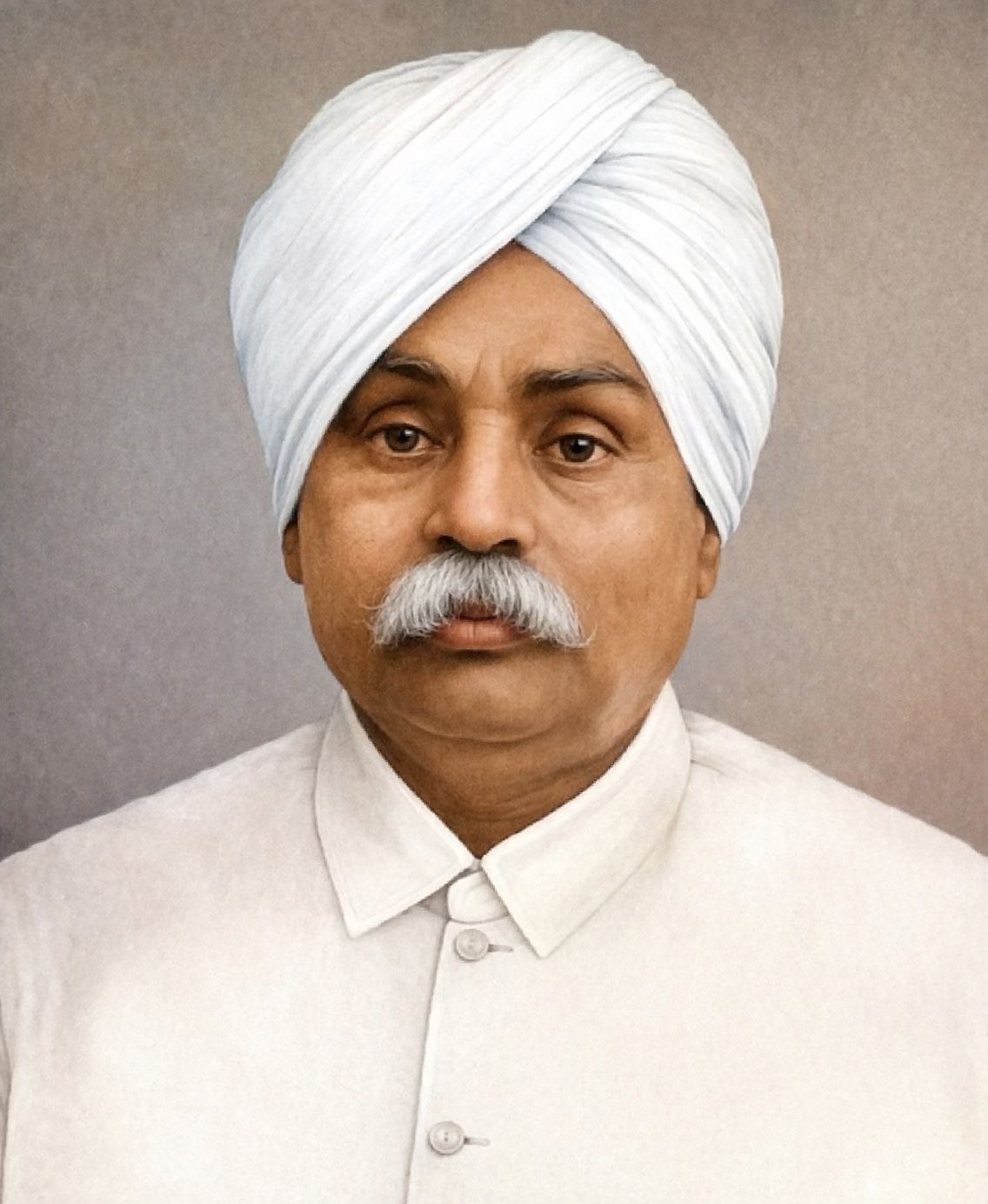
Lala Lajpat Rai was a multifaceted visionary—a lawyer, social reformer, educator, and a titan of the Indian Independence movement. For UPSC, he represents the bridge between socio-religious reform (Arya Samaj) and the "Extremist" phase of Indian nationalism.
1. Early Life and Background
Birth: Born on January 28, 1865, in Dhudike, Punjab.
Family: Born into a family with diverse influences; his father was a Persian and Urdu scholar with a leaning toward Islam, while his mother was a devout Hindu.
Education: Studied law at Government College, Lahore.
Formative Influences: He was deeply influenced by the Arya Samaj and its founder, Swami Dayanand Saraswati, which shaped his views on Vedic education and social purity.
2. Professional Life and Political Entry
Legal Career: Practiced law in Hissar and Lahore. He was highly successful but eventually shifted his focus entirely to national service.
Political Entry: Joined the Indian National Congress (INC) in 1888.
Lal-Bal-Pal Trio: Along with Bal Gangadhar Tilak and Bipin Chandra Pal, he formed the "Extremist" (Garam Dal) faction of the INC, advocating for Swaraj through self-reliance and mass agitation rather than "political mendicancy."
3. Role in the Freedom Movement
Swadeshi Movement (1905): A key leader in Punjab against the Partition of Bengal. He promoted the boycott of British goods and the use of indigenous products.
Deportation (1907): Due to his involvement in the agrarian unrest in Punjab, he was deported to Mandalay (Burma) without trial but released after six months due to public pressure.
Home Rule League (USA): During WWI, he stayed in the USA and founded the Indian Home Rule League of America (1917) in New York to build international support for Indian independence.
Non-Cooperation Movement (1920): Initially skeptical, he eventually led the movement in Punjab. He presided over the special Calcutta Session (1920) where the Non-Cooperation resolution was first introduced.
4. Organizations Established / Associated With
Arya Samaj: Served as a pillar of the movement; instrumental in the expansion of the Dayanand Anglo-Vedic (DAV) school network.
Punjab National Bank (1894): Co-founded PNB, the first Swadeshi bank managed by Indians.
Lakshmi Insurance Company: Founded to promote Indian capital in the insurance sector.
Servants of the People Society (1921): Founded for the enlistment and training of national missionaries for the service of the country.
5. Biographies and Literary Works
Lajpat Rai believed that history and the lives of great men were the best tools for nation-building. He wrote a series of short biographies (mostly in Urdu and later translated) to provide "national heroes" to a generation under colonial rule.
A. Biographies of Revolutionary & Spiritual Icons
Mazzini (Giuseppe Mazzini): Rai was deeply inspired by the Italian revolutionary.
He wrote a biography of Mazzini to introduce Indians to the concepts of "Young Italy," emphasizing that national unity and independence require the youth's organized sacrifice. Garibaldi: He wrote on the life of Giuseppe Garibaldi, the "hero of two worlds," focusing on military bravery and the guerrilla tactics used in the Italian unification.
Chhatrapati Shivaji Maharaj: To counter British narratives that labeled Indian rulers as "predatory," he wrote a biography of Shivaji, portraying him as a visionary nation-builder and a protector of Dharma and justice.
Swami Dayanand Saraswati: As a devoted member of the Arya Samaj, Rai wrote an authoritative biography of his mentor to propagate the "Back to the Vedas" philosophy and social reform.
Shri Krishna: He wrote Yogiraj Shri Krishna to reclaim the image of Krishna as a statesman and a teacher of the Gita (Karma Yoga), countering the "effeminate" or purely mythological versions often highlighted by colonial scholars.
B. Other Major Books authored by Lala Lajpat Rai
| Book Title | Significance |
|---|---|
| Unhappy India (1928) | A stinging rebuttal to Katherine Mayo's Mother India; he used statistics to expose the "drain of wealth" and British misrule. |
| Young India (1916) | Written while in the USA; it interprets the Indian Nationalist movement for a global audience (initially banned in Britain and India). |
| England’s Debt to India | An economic critique detailing how Britain systematically exploited Indian resources. |
| The Story of My Deportation(1908) | A personal account of his time in Mandalay Jail and the political climate of Punjab. |
| The Problem of National Education in India | Outlined his vision for an education system that blends modern science with Indian values. |
C. Journalism and Periodicals
The Punjabi: An English weekly used to voice the grievances of the people of Punjab.
Vande Mataram: An influential Urdu daily.
The People: An English weekly started by him in 1925 after his return from exile.
Arya Gazette: He served as the founder-editor of this Lahore-based publication.
UPSC Value Addition: Why did he write about Mazzini?
For the Mains (GS Paper I) or History Optional, it is important to note the "Internationalism" of Lala Lajpat Rai. By writing about Mazzini and Garibaldi, he was making a case that the Indian struggle was part of a global wave of democratic and nationalist movements. He used the Italian Risorgimento as a template for Indian Swaraj, suggesting that if Italy could unite against the Austrian Empire, India could certainly unite against the British.
6. Ideology and Thought
Nationalism: Believed that "A nation that does not educate itself cannot remain free for long." He advocated for a muscular nationalism rooted in cultural pride.
Social Reform: Passionate about the removal of untouchability. Though a staunch Hindu, his nationalism was inclusive, though he later became concerned with protecting Hindu interests, leading to his association with the Hindu Mahasabha.
Education: Believed education should be "National" in character, combining modern science with Indian ethics.
7. Death and Legacy
Simon Commission Protest (1928): While leading a peaceful protest in Lahore against the all-white Simon Commission, he was brutally lathi-charged by the police under James A. Scott.
Famous Quote: "I declare that the blows struck at me today will be the last nails in the coffin of British rule in India."
Death: He succumbed to his injuries on November 17, 1928.
Retribution: His death sparked a wave of anger, leading Bhagat Singh and the HRA to assassinate John Saunders (mistaking him for Scott).
8. Key Milestones: Chronology
Year | Milestone | Key Association/Work |
|---|---|---|
1865 | Birth in Dhudike, Punjab | - |
1882 | Joined Arya Samaj | Influenced by Swami Dayanand |
1894 | Foundation of PNB | Economic Nationalism |
1896 | Biographies Series | Mazzini, Garibaldi, Shivaji, Krishna |
1905 | Swadeshi Movement | Lal-Bal-Pal Trio emergence |
1907 | Deportation to Mandalay | Story of My Deportation |
1917 | Home Rule League (USA) | Young India published |
1920 | President of INC (Special Session) | First President of AITUC |
1921 | Servants of the People Society | Social Service focus |
1928 | Simon Commission Protest | Martyrdom (Nov 17) |
9. UPSC Value Addition (Prelims & Mains Pointers)
Labor Movement: He was the first President of the All India Trade Union Congress (AITUC) in 1920.
Communalism vs. Nationalism: In his later years, he was associated with the Hindu Mahasabha and the Swaraj Party (specifically the Responsivists faction), which is a point of critical analysis for Mains (the shift from secular-extremism to communal-defense).
Economic Nationalism: His role in founding PNB highlights his belief that political freedom is unsustainable without economic self-reliance.
Keywords: Punjab Kesari, Lal-Bal-Pal Trio, DAV Movement, Unhappy India, Simon Commission.
लाला लाजपत राय (1865–1928): 'पंजाब केसरी' (पंजाब का शेर)
लाला लाजपत राय एक बहुआयामी दूरदर्शी व्यक्ति थे—वकील, समाज सुधारक, शिक्षाविद् और भारतीय स्वतंत्रता आंदोलन के स्तंभ। UPSC के दृष्टिकोण से, वे सामाजिक-धार्मिक सुधार (आर्य समाज) और भारतीय राष्ट्रवाद के "गरम दल" (Extremist phase) के बीच एक सेतु का प्रतिनिधित्व करते हैं।
1. प्रारंभिक जीवन और पृष्ठभूमि
जन्म: 28 जनवरी, 1865 को पंजाब के धुधिके (Dhudike) गाँव में।
परिवार: उनके पिता फारसी और उर्दू के विद्वान थे, जबकि उनकी माता एक धर्मनिष्ठ हिंदू महिला थीं।
शिक्षा: गवर्नमेंट कॉलेज, लाहौर से कानून की पढ़ाई की।
प्रभाव: वे आर्य समाज और उसके संस्थापक स्वामी दयानंद सरस्वती से गहरे प्रभावित थे, जिसने वैदिक शिक्षा और सामाजिक शुद्धि पर उनके विचारों को आकार दिया।
2. व्यावसायिक जीवन और राजनीति में प्रवेश
कानूनी करियर: हिसार और लाहौर में वकालत की। वे एक सफल वकील थे, लेकिन बाद में उन्होंने अपना पूरा ध्यान राष्ट्र सेवा की ओर मोड़ दिया।
राजनीति: 1888 में भारतीय राष्ट्रीय कांग्रेस (INC) में शामिल हुए।
लाल-बाल-पाल तिकड़ी: बाल गंगाधर तिलक और बिपिन चंद्र पाल के साथ मिलकर उन्होंने कांग्रेस के "गरम दल" का गठन किया। उन्होंने "राजनीतिक भिक्षावृत्ति" के बजाय आत्मनिर्भरता और जन आंदोलन के माध्यम से स्वराज की वकालत की।
3. स्वतंत्रता संग्राम में भूमिका
स्वदेशी आंदोलन (1905): बंगाल विभाजन के विरोध में पंजाब में नेतृत्व किया। उन्होंने ब्रिटिश वस्तुओं के बहिष्कार और स्वदेशी उत्पादों के उपयोग को बढ़ावा दिया।
देश निकाला (1907): पंजाब में कृषि असंतोष में भूमिका के कारण उन्हें बिना किसी मुकदमे के मांडले (बर्मा) निर्वासित कर दिया गया, लेकिन भारी जन दबाव के कारण 6 महीने बाद रिहा कर दिया गया।
होम रूल लीग (अमेरिका): प्रथम विश्व युद्ध के दौरान वे अमेरिका में थे, जहाँ उन्होंने 1917 में न्यूयॉर्क में 'इंडियन होम रूल लीग ऑफ अमेरिका' की स्थापना की।
असहयोग आंदोलन (1920): उन्होंने 1920 के कांग्रेस के विशेष कलकत्ता अधिवेशन की अध्यक्षता की, जहाँ असहयोग का प्रस्ताव पहली बार पेश किया गया था।
4. स्थापित एवं संबद्ध संस्थाएँ
आर्य समाज: आंदोलन के प्रमुख स्तंभ; दयानंद एंग्लो-वैदिक (DAV) स्कूलों के नेटवर्क के विस्तार में महत्वपूर्ण भूमिका निभाई।
पंजाब नेशनल बैंक (1894): PNB के सह-संस्थापक, जो भारतीयों द्वारा प्रबंधित पहला स्वदेशी बैंक था।
लक्ष्मी बीमा कंपनी: बीमा क्षेत्र में भारतीय पूंजी को बढ़ावा देने के लिए स्थापना की।
लोक सेवक मंडल (Servants of the People Society, 1921): देश की सेवा के लिए राष्ट्रीय प्रचारकों को प्रशिक्षित करने हेतु इसकी स्थापना की।
5. जीवनियाँ और साहित्यिक कार्य
लाजपत राय का मानना था कि महान पुरुषों का जीवन राष्ट्र निर्माण के लिए सबसे अच्छा उपकरण है। उन्होंने "राष्ट्रीय नायकों" की एक श्रृंखला लिखी:
A. क्रांतिकारी और आध्यात्मिक महापुरुषों की जीवनियाँ
मैजिनी (Giuseppe Mazzini): इतालवी क्रांतिकारी से प्रेरित होकर उन्होंने मैजिनी की जीवनी लिखी ताकि भारतीय युवाओं को "यंग इटली" की अवधारणा और संगठित बलिदान से परिचित कराया जा सके।
गैरीबाल्डी: इतालवी एकीकरण के नायक गैरीबाल्डी की सैन्य वीरता और गुरिल्ला युद्ध रणनीति पर लिखा।
छत्रपति शिवाजी महाराज: शिवाजी को एक दूरदर्शी राष्ट्र-निर्माता और धर्म के रक्षक के रूप में चित्रित किया।
स्वामी दयानंद सरस्वती: अपने गुरु की प्रामाणिक जीवनी लिखी ताकि "वेदों की ओर लौटो" का संदेश फैलाया जा सके।
श्री कृष्ण: 'योगिराज श्री कृष्ण' पुस्तक के माध्यम से उन्हें एक राजनेता और कर्मयोगी शिक्षक के रूप में प्रस्तुत किया।
B. अन्य प्रमुख पुस्तकें
पुस्तक का नाम | महत्व |
|---|---|
अनहैप्पी इंडिया (Unhappy India) | कैथरीन मेयो की पुस्तक 'मदर इंडिया' का करारा जवाब; ब्रिटिश कुशासन को उजागर किया। |
यंग इंडिया (Young India) | अमेरिका में प्रवास के दौरान लिखी गई; वैश्विक स्तर पर भारतीय राष्ट्रवाद की व्याख्या। |
इंग्लैंड्स डेब्ट टू इंडिया | एक आर्थिक आलोचना जिसमें बताया गया कि कैसे ब्रिटेन ने भारत का शोषण किया। |
द स्टोरी ऑफ माय डिपोर्टेशन | मांडले जेल में बिताए समय और पंजाब के राजनीतिक माहौल का व्यक्तिगत विवरण। |
C. पत्रकारिता
द पंजाबी: अंग्रेजी साप्ताहिक।
वंदे मातरम: उर्दू दैनिक।
द पीपल (The People): अंग्रेजी साप्ताहिक (1925 में शुरू)।
6. विचारधारा और विचार
राष्ट्रवाद: उनका मानना था कि "जो राष्ट्र स्वयं को शिक्षित नहीं करता वह लंबे समय तक स्वतंत्र नहीं रह सकता।"
समाज सुधार: छुआछूत के उन्मूलन के प्रबल पक्षधर थे।
शिक्षा: वे ऐसी "राष्ट्रीय शिक्षा" चाहते थे जो आधुनिक विज्ञान और भारतीय नैतिकता का मिश्रण हो।
7. मृत्यु और विरासत
साइमन कमीशन का विरोध (1928): लाहौर में साइमन कमीशन के खिलाफ शांतिपूर्ण विरोध प्रदर्शन का नेतृत्व करते समय पुलिस अधीक्षक जेम्स ए. स्कॉट के आदेश पर उन पर बर्बर लाठीचार्ज किया गया।
प्रसिद्ध कथन: "मैं घोषणा करता हूँ कि आज मुझ पर किए गए प्रहार भारत में ब्रिटिश शासन के ताबूत की आखिरी कील साबित होंगे।"
निधन: चोटों के कारण 17 नवंबर, 1928 को उनका निधन हो गया।
प्रतिशोध: उनकी मृत्यु के प्रतिशोध में भगत सिंह और उनके साथियों (HRA) ने पुलिस अधिकारी सॉन्डर्स की हत्या कर दी।
8. महत्वपूर्ण पड़ाव: कालक्रम (Timeline)
वर्ष | घटना / उपलब्धि |
|---|---|
1865 | पंजाब के धुधिके में जन्म |
1882 | आर्य समाज में शामिल हुए |
1894 | पंजाब नेशनल बैंक की स्थापना |
1896 | जीवनियाँ श्रृंखला (मैजिनी, शिवाजी आदि) |
1905 | स्वदेशी आंदोलन का नेतृत्व |
1907 | मांडले (बर्मा) निर्वासन |
1917 | अमेरिका में होम रूल लीग की स्थापना |
1920 | INC के विशेष अधिवेशन के अध्यक्ष; AITUC के प्रथम अध्यक्ष |
1921 | लोक सेवक मंडल की स्थापना |
1928 | साइमन कमीशन का विरोध और शहादत (17 नवंबर) |
9. UPSC मूल्य संवर्धन (Prelims & Mains Pointers)
श्रमिक आंदोलन: 1920 में अखिल भारतीय ट्रेड यूनियन कांग्रेस (AITUC) के प्रथम अध्यक्ष थे।
सांप्रदायिकता बनाम राष्ट्रवाद: अंतिम वर्षों में वे हिंदू महासभा और स्वराज पार्टी के 'रिस्पॉन्सिविस्ट' गुट से जुड़े, जो मेन्स (Mains) में विश्लेषण का एक महत्वपूर्ण बिंदु है।
आर्थिक राष्ट्रवाद: PNB की स्थापना इस विश्वास को दर्शाती है कि आर्थिक आत्मनिर्भरता के बिना राजनीतिक स्वतंत्रता अधूरी है।
कीवर्ड्स: पंजाब केसरी, लाल-बाल-पाल, DAV आंदोलन, अनहैप्पी इंडिया, साइमन कमीशन।